
BACKGROUND
One in two people will receive a cancer diagnosis in their lifetime, most of them are of working age. As this numbers increase, one is bound to meet a colleague, friend, family and business associate diagnosed with cancer in their lifetime, it is vital that businesses are able to support people who are facing cancer.
The health of your employees is key, not only to their success, but to the success of your organiza- tion as well. Screening for early detection of cancer can help your employees and business partners thrive and reduce cost for your business caused by sickness absenteeism. The incidence of cancer is increasing rapidly; therefore, it is important to step up cancer literacy and knowledge in the community. This will lead to early detection which is important in the management and treatment of cancer and also prevention by making necessary changes in lifestyle.
Thanks to the advances that have been made in cancer diagnosis and treatment, more people than ever before are surviving cancer and living beyond five years after their diagnosis, with many cancer survivors wanting to return to work. Cancer survivors cite both financial and emotional reasons for going back to work, hoping that a job would restore normality, stability, social contact and income.
For businesses, supporting people to come back to work after a cancer diagnosis improves their capacity to retain experienced employees, reduce sickness-related absence and help sustain a resilient, productive workforce. Advances in cancer treatment can mean longer and better lives for patients.
That means the number of people living with and beyond cancer is growing fast. The need for employers to actively support those affected by cancer is pressing. Campaigns such as Cancer in the Workplace, will enable companies to provide a more open, supportive and recovery environment.
The Impact of Cancer on Working Life
One in three people diagnosed with cancer is of working age. For many, work is a hugely important aspect of normal life. Providing compassionate, effective support to employees isn’t just ‘the right thing to do’. It ensures retention of talent and experience and is a vital ingredient in a positive, high-functioning workplace. Whether your employee is the patient, or affected by the diagnosis of a loved one, there is an inevitable impact on working life. This impact may extend to the entire workplace or team.
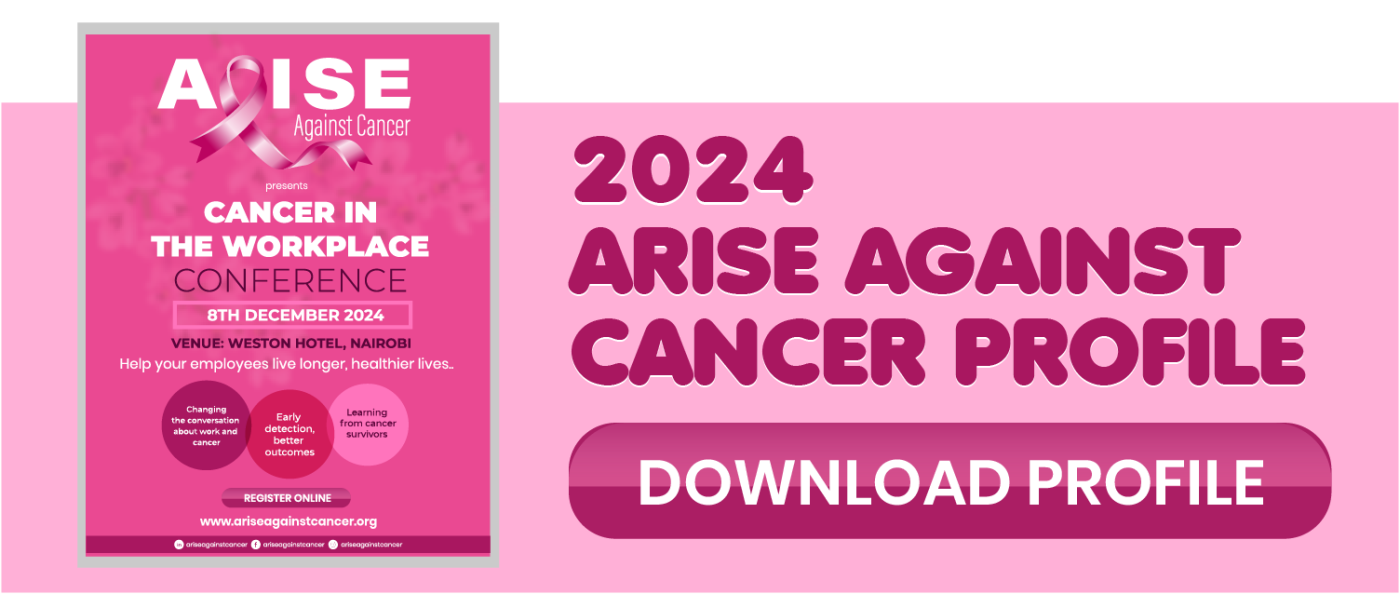
Arise Against Cancer has organized the Cancer in the Workplace awareness conference for employers and employees. The conference will emphasize on the critical role of early screening, detection, diagnosis, treatment and the effect of treatment in the fight against cancer. This conference aims to help employers understand and respond to the needs of employees coming back to work after a cancer diagnosis. The focus of this guide is on four key actions that all businesses can take to support a successful return to work for their employees.
The conference will cover a wide range of factors on cancer, from common causes of cancer, risk factors, self-detection and early diagnosis to mental and psychological support for cancer patients, methods of treatment and inspiring stories from survivors, community, Students, Corporate organiza- tions and the entire public. The need for employers to actively support those affected by cancer is pressing. The Cancer in the Workplace Confer- ence will help companies to provide a more open, supportive and recovery-forward culture for their cancer surviving employees.
Cancer in the Workplace conference aims to raise awareness about living a healthy life by providing detailed information about the symptoms, risk factors and current treatment methods of cancer. The conference sessions aim to raise awareness about living a healthy life by providing detailed infor- mation about the symptoms, risk factors and current treatment methods of cancer.
Join us for the inaugural Cancer in the Workplace County Conference being held August, 2024! This, daylong event brings together patients, survivors, caregivers, healthcare professionals, employers/HR and employees and anyone touched by cancer to explore the complexities of balancing treatment and recovery with employment.